




Wildlife on Kilimanjaro: What You'll Actually See While Climbing
Kilimanjaro isn't a safari, and it's worth setting that expectation early. You won't be driving past lions or watching elephant herds cross your path. But the mountain and its surrounding national park are home to over 150 recorded mammal species, seven primates, and more than 180 types of birds, spread across five ecological zones that shift dramatically as you climb. Most of what you'll see is smaller, shyer, and honestly more interesting than people expect. Here's what's actually up there, and where to look for it.
Why Altitude Decides Everything
The animals you encounter depend almost entirely on which zone you're walking through that day. As you climb, resources like water, food, and shelter drop off fast, and so does the wildlife
Rainforest zone (roughly 1,800 to 2,800m): By far the richest zone, home to something like 80% of everything you'll see on the mountain.
Heath and moorland (2,800 to 4,000m): Wildlife thins out considerably here, though birds and a few hardy small mammals still hold on.
Alpine desert (4,000 to 5,000m): Sparse and harsh. Sightings become rare.
Summit zone (above 5,000m): Essentially lifeless, aside from a genuinely strange exception, more on that below.
If wildlife is a priority for you, the takeaway is simple: the first day or two, while you're still in the rainforest, is when you're most likely to see something memorable.
The Primates You're Most Likely to Meet
Black-and-white colobus monkeys are the trek's signature sighting. Look for a flash of a two-foot white tail high in the canopy, usually near Mandara Huts on the Marangu route or around the Lemosho and Rongai starting points. They live in family groups, rarely come down to the ground, and are considered endangered, which makes every sighting feel a bit more special.
Blue monkeys aren't actually blue, more of a grayish olive, though adult males can show a faint bluish cast in the right light. They're bolder and more curious than colobus monkeys, and you'll often catch them watching you from the branches around campsites, especially near Big Forest Camp on the Lemosho route.
Bush babies you'll almost certainly hear before you ever see. Their high, eerie calls drift through forest camps at night, a sound that catches a lot of first-time climbers off guard. Spotting one takes real luck and a careful flashlight scan, since they're strictly nocturnal and startlingly agile, capable of leaping over two meters between branches.
The Big Animals That Sometimes Show Up
Kilimanjaro isn't known for large mammals, but a handful genuinely do wander through, mostly on the northern and western slopes.
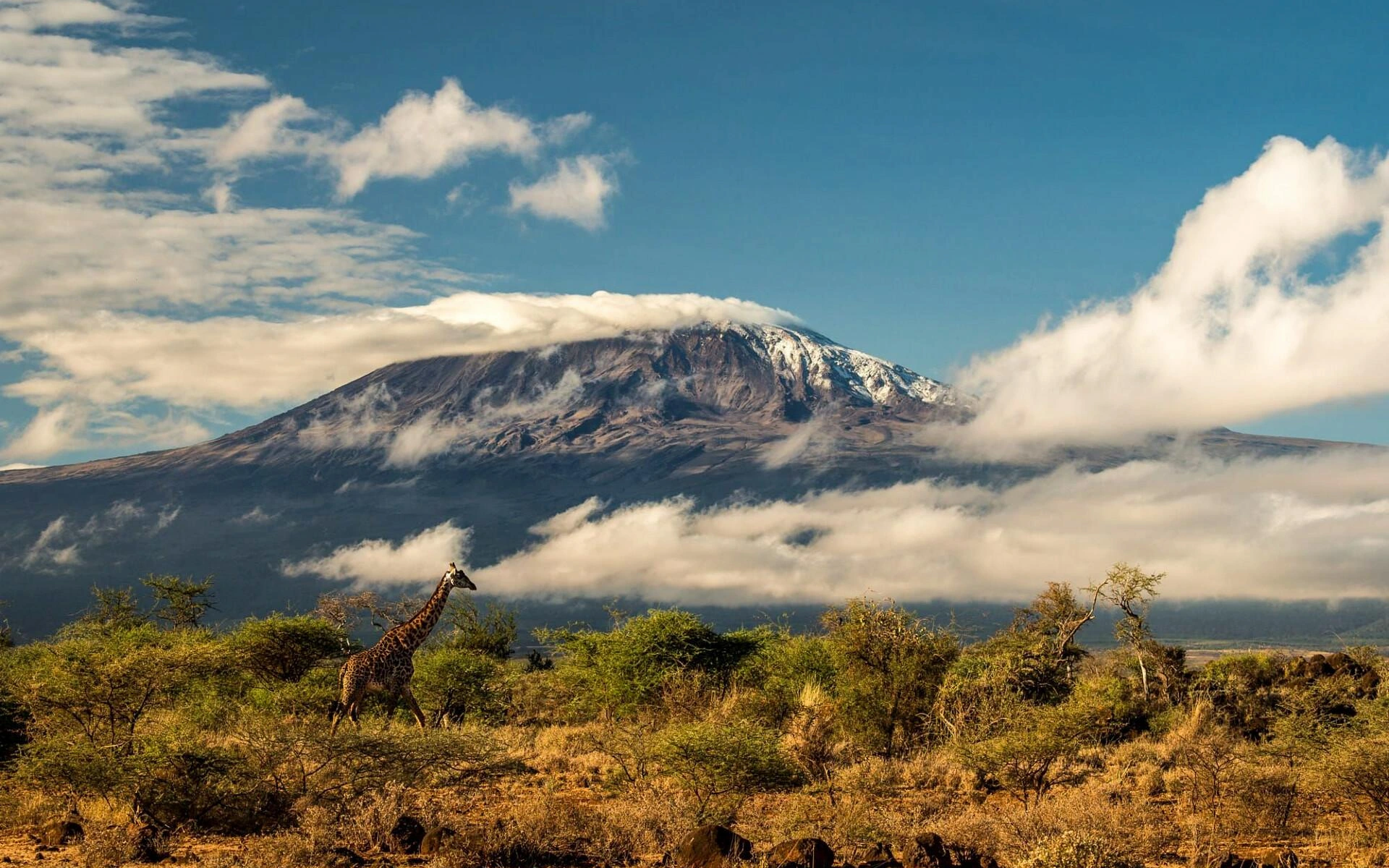
Elephants and buffalo occasionally cross into the lower forest, particularly on the Rongai route, which borders Kenya's Amboseli ecosystem. Sightings are uncommon on the trail itself, though. If you want the classic "elephant with Kilimanjaro in the background" photo, that's shot from Amboseli, not the mountain.
Leopards carry a strange kind of mythology here, thanks to a frozen leopard carcass found near the summit back in 1926, later immortalized in Hemingway's writing. No one has ever fully explained what it was doing up there. Live leopard sightings on the mountain today are extraordinarily rare, though scratch marks and tracks in the forest zone occasionally give away their presence.
Eland, bushbuck, and duikers round out the antelope you might spot, mostly in the rainforest and lower moorland. One in particular, the Abbott's duiker, is critically endangered and found in only a few Tanzanian mountain forests including this one, so it's a genuinely rare thing to see.
The Small Creatures Everyone Ends Up Talking About
These are the animals that actually shape most people's trek stories, less dramatic than a leopard, but far more likely to actually cross your path.
Four-striped grass mice are the animal you're guaranteed to see. They've fully adapted to human campsites above 3,000m and will happily scurry under your dinner table at Horombo Huts without a second thought.
Tree hyraxes look like oversized guinea pigs but are, oddly, more closely related to elephants than to any rodent. You'll almost certainly hear their strange shrieking and giggling calls at night long before you ever spot one.
Servals, sleek spotted cats with unusually long legs, occasionally hunt through the moorland at dawn or dusk. They're one of the few predators equipped to handle the altitude, and quiet trekkers on the Rongai or Northern Circuit routes have the best odds of a sighting.
Aardvarks are nocturnal, secretive, and rarely seen directly, but torn-open termite mounds along the trail are a clear sign one passed through recently.
Birds: Your Best Odds of a Great Sighting
With over 180 species recorded, birds are genuinely the most reliable wildlife you'll encounter, active during the day and much less shy than the mammals.
The white-necked raven is the bird every climber remembers, mostly because they're notorious camp thieves. Keep food zipped away or these surprisingly intelligent birds will happily help themselves. Hartlaub's turaco brings a burst of color to the forest canopy, with brilliant red flight feathers that flash as it moves between trees. In the moorland, keep an eye out for the malachite sunbird, its males glinting metallic green as they feed on giant lobelias, and the augur buzzard, usually seen circling on thermals above camp.
Reptiles Worth Watching For
Jackson's chameleons are one of the trek's most photographed reptiles, the males sporting three small horns that give them a genuinely prehistoric look. They move slowly through the lower forest and moorland, which actually makes them one of the easier animals to spot if you're paying attention to the branches beside the trail.
Where and When to Actually Look
Stick to the rainforest days. The vast majority of sightings happen in the first day or two of any route, before you climb above the tree line.
Go quiet in the early morning and late afternoon. Most forest animals, monkeys included, are most active in those windows.
Choose your route with wildlife in mind. Lemosho and Rongai both spend meaningful time in dense forest and tend to offer better sightings than the more direct routes.
Don't expect a safari. The pleasure here is different: quieter, more about listening for calls in the dark and catching a flash of movement than watching herds in the open.
Quick Answers
Will I see lions or elephants on Kilimanjaro? Almost certainly not lions, and elephants only rarely, mostly on the northern Rongai route near the Kenyan border.
What animal am I guaranteed to see? Four-striped grass mice at the high camps, and very likely colobus or blue monkeys in the rainforest on day one or two.
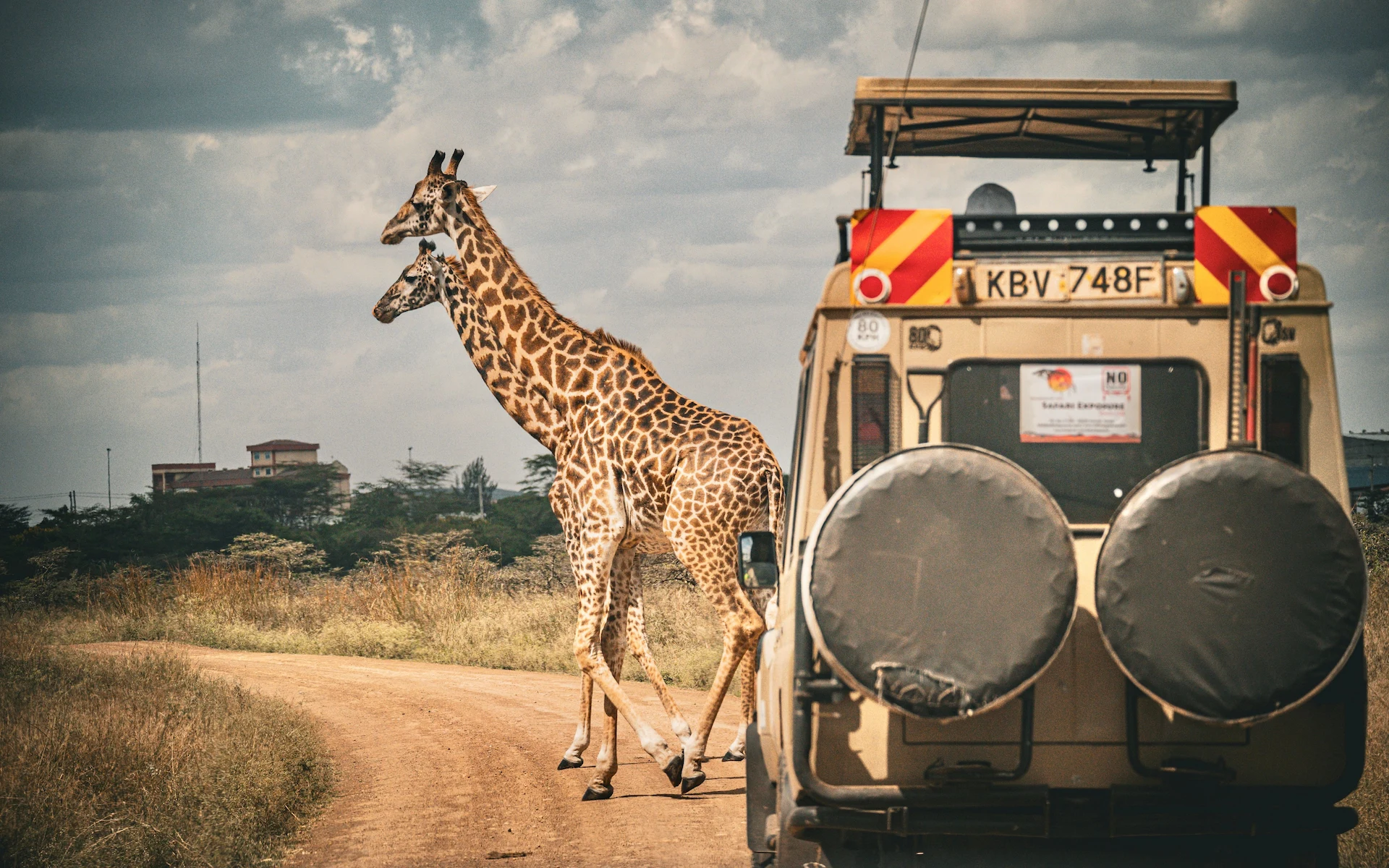
Is it worth combining a Kilimanjaro climb with an actual safari? Yes, if wildlife matters to you. The mountain gives you a different, quieter kind of nature experience; a few days afterward in the Serengeti or Ngorongoro is where you'll get the classic Big Five encounters.
Which route gives the best wildlife chances? Lemosho and Rongai, thanks to the amount of forest they pass through and generally quieter trail conditions.
Curious what you'll actually encounter on your specific route? Jairos Adventure runs treks across all the major Kilimanjaro routes and can pair your climb with a proper safari afterward for the wildlife you won't see on the mountain. Get in touch to plan your trip.
Search Blog
Recent Articles
Machame Route Kilimanjaro: 7-Day Itinerary & Guide
Oct 13, 2026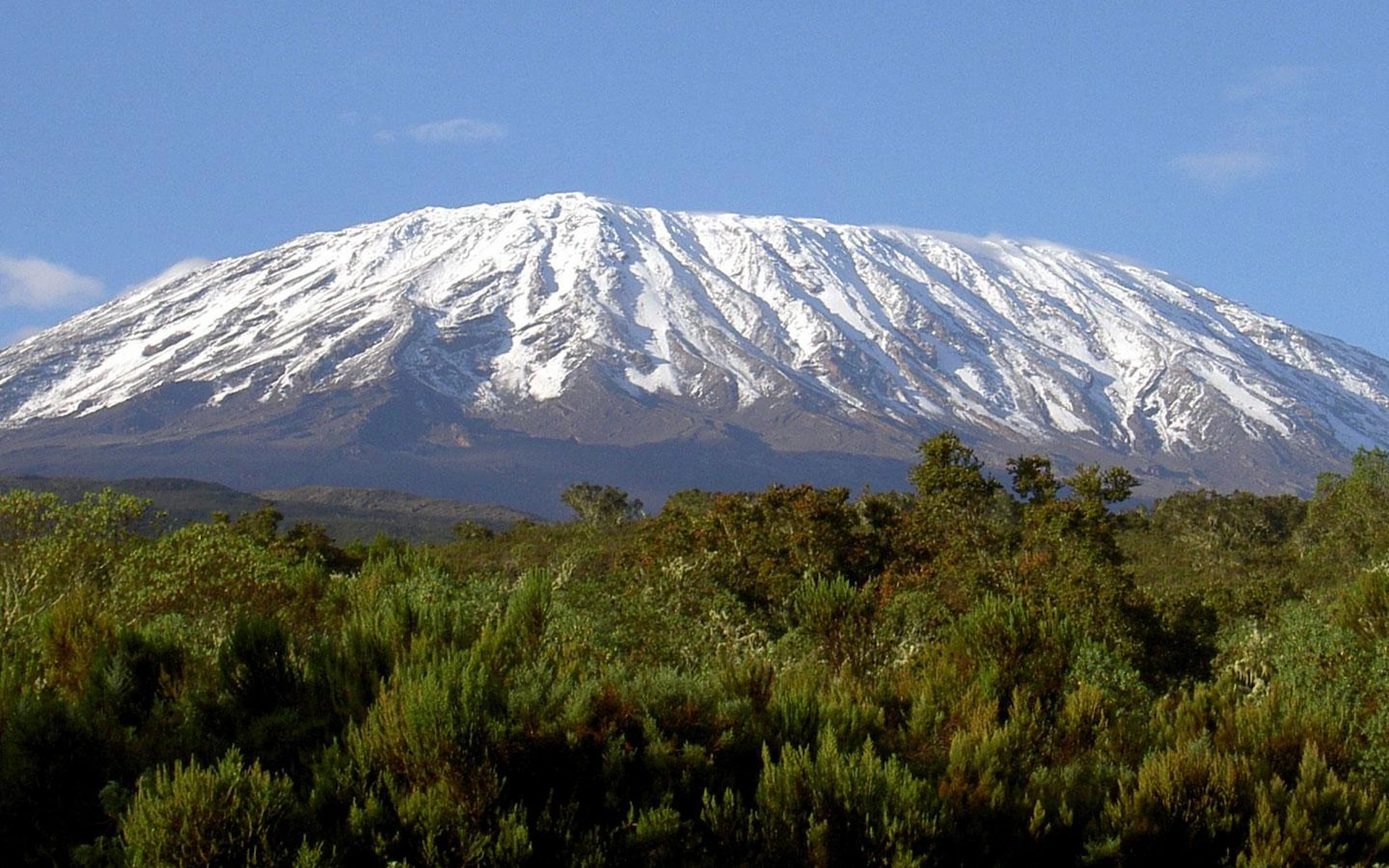

Ready for an Adventure?
Book your dream safari tour today and experience the wild like never before.
View Tours