



How Much Does It Cost to Climb Kilimanjaro? A Complete Price Guide
There's no single honest answer to this question, and anyone who gives you one number is oversimplifying. Kilimanjaro packages genuinely range from around $1,500 for a bare-bones budget climb up to $10,000 or more for a fully luxury expedition, and the gap between those numbers isn't random. It comes down to a handful of specific factors that are worth understanding before you compare quotes, because the cheapest number on the page isn't always the cheapest trip once you add up what's missing.
What a Group Climb Actually Is
A group climb, sometimes called a "joining group," combines climbers who booked separately, often solo travelers, couples, or small groups of friends, into a single shared expedition on a fixed departure date. You'll trek the same route, sleep at the same camps, and share meals with everyone else in your group, all supported by one set of guides, cooks, and porters. It's different from a private climb, where your own group has the whole crew to itself and can set its own pace and dates.
What Actually Makes Up the Cost
Park fees, the largest fixed cost. Tanzania National Parks charges conservation fees, camping or hut fees, rescue fees, and taxes that every operator has to pay regardless of how cheap or expensive their package is. On a 7-day Machame or Lemosho climb, park fees alone commonly run somewhere in the $1,000 to $1,400 range per person, and no legitimate operator can avoid them. If a quote seems dramatically cheaper than everyone else's, this is the first place to ask what's being cut.
Staff wages. Your climb requires a team, guides, cooks, and porters, and their pay makes up a meaningful chunk of the total cost. Fair-wage operators typically budget somewhere around $80 to $150 per climber per day across the crew. This is also where the cheapest operators sometimes cut corners, which raises real ethical concerns given how physically demanding porter work is.
Food and camping equipment. Three meals a day prepared by a dedicated mountain cook, tents, and communal camping gear add up, generally in the range of $10 to $20 per person per day for food alone, plus wear and replacement costs on tents and equipment that operators factor into their base price.
Route and itinerary length. This is one of the biggest levers on total cost, and also the one climbers are most tempted to cut to save money, which is usually a mistake. A 5-day Marangu climb costs meaningfully less than an 8-day Lemosho or 9-day Northern Circuit, simply because you're paying for fewer days of park fees, food, and staff time, but the shorter itinerary also carries a significantly lower summit success rate.
Group size. Costs per person drop as group size increases, since guide, transport, and administrative costs get spread across more climbers. Solo or very small private groups pay a real premium for that exclusivity.
Typical Package Tiers
Tier
Typical price per person
What you get
Budget
$1,500–$2,200
Basic tents, shared equipment, minimal extras, sometimes shorter itineraries
Pace
$2,200–$3,500
Solid guides, decent equipment, proper meals, standard 6–8 day itineraries
Premium/Luxury
$5,000–$10,000+
Private crews, high-end camping gear, extra comfort touches, sometimes helicopter evacuation cover
The mid-range tier is where most first-time climbers land, and honestly where the best value tends to sit: enough budget for proper acclimatization days and experienced guides, without paying for luxury extras that don't affect your actual odds of summiting.
Costs Beyond the Package Price
A lot of climbers budget for the package quote and get caught off guard by everything around it:
International flights: typically $800 to $2,000 depending on where you're flying from and the season.
Tanzania eVisa: $50 for most nationalities, $100 for US citizens (multiple-entry required).
Travel and rescue insurance: budget insurance covering high-altitude trekking and emergency evacuation starts around $150, with more comprehensive policies running $300 to $550 or more.
Gear: if you don't already own cold-weather trekking gear, expect to spend $500 to $1,500 buying new, or considerably less if your operator offers rental equipment (often $50 to $300).
Tipping: customary and expected, usually not included in the quoted package price. Budget roughly $20 to $30 per climber per day, split among guides, cooks, and porters, paid out at a tipping ceremony at the end of the trek.
- Pre- and post-climb accommodation: most packages include a night or two in Moshi or Arusha before and after the climb, but confirm this rather than assume it.
Why the Cheapest Quote Isn't Always the Best Deal
Given that park fees are fixed and non-negotiable, a quote that's dramatically below the market range usually means something else is being cut, most commonly porter wages, guide experience, itinerary length, or group size (cramming more climbers per guide to spread costs thinner). Since altitude sickness risk is directly tied to itinerary length, choosing the cheapest 5-day option to save a few hundred dollars is often the single costliest decision a climber can make in terms of actual summit odds.
Why the Cheapest Quote Isn't Always the Best Deal
Does the quoted price include all park fees, or are these billed separately?
What's the guide-to-climber ratio?
Is the operator affiliated with the Kilimanjaro Porters Assistance Project (KPAP), confirming fair porter treatment?
What exactly is and isn't included: tips, gear rental, pre/post hotel nights, airport transfers?
What's the itinerary length, and does it match the acclimatization profile recommended for that route?
Quick Answers
What's a realistic minimum budget for a safe, ethical climb? Roughly $1,800 to $2,000 at the very low end with a reputable operator, though most experienced trekkers recommend budgeting closer to $2,500 to $3,000 for proper acclimatization and fair staff wages.
Why do prices vary so much between operators? Mainly itinerary length, group size, guide experience, and how fairly porters are paid; park fees themselves are the same for everyone.
Are park fees included in most quoted prices? Usually yes for reputable operators, but always confirm, since this is the most common place for a "too good to be true" quote to hide extra costs.
Should I add tipping to my budget separately? Yes, tips are customary, expected, and almost never included in the quoted package price. Budget an additional $150 to $300 or more per climber for the full trek.
At Jairos Adventure, our quotes are itemized and transparent, park fees, guide and porter wages, food, and equipment are all clearly laid out before you book. Get in touch for a free quote and an honest breakdown of exactly what you're paying for.
Search Blog
Recent Articles
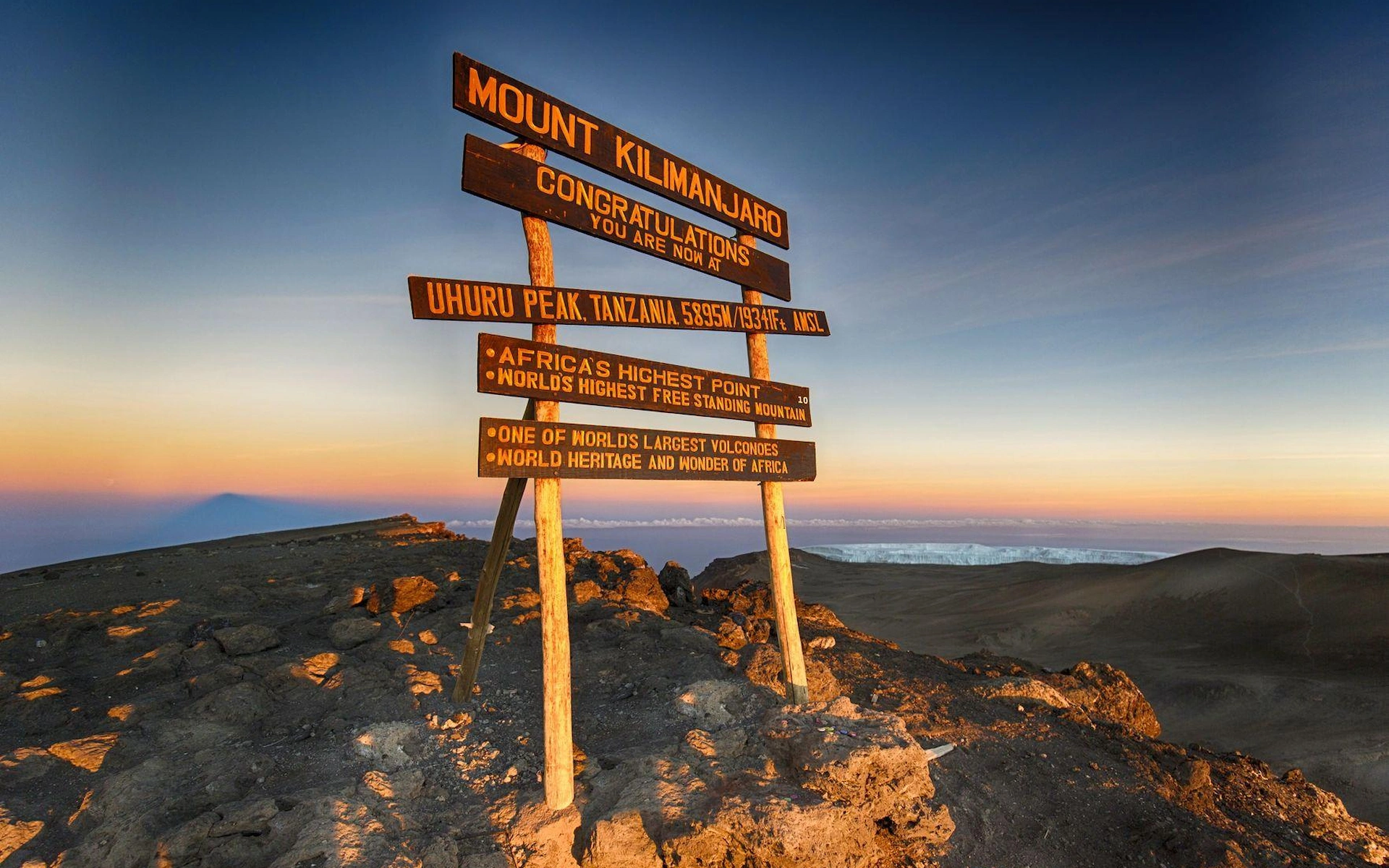
Machame Route Kilimanjaro: 7-Day Itinerary & Guide
Oct 13, 2026

Ready for an Adventure?
Book your dream safari tour today and experience the wild like never before.
View Tours